I worked for a time in an AR research lab and there are teams making good progress on adjustable focal lengths. The demo I saw three years ago was impressive.
I'm not longsighted but my myopia has really progressed in my 40s. The Viture XR Pro has myopia dials which means that I can dial both to suit, but unfortunately the whole setup is awful for productivity, especially on Linux. Their android app is also just a "toy". And I definitely can't imagine using them for AR. Maybe their competitors, XREAL (which claim 6dof) are better here, but they don't have the myopia dials.
Back when I was working on hololens 1 stuff, I was very surprised how the bad resolution wasn’t actually much of an issue. I think since we’re always slightly moving, our brain makes some kind of natural temporal antialiasing ? And it’s not awful like VR since it’s super imposed on the real world and not a feed of it
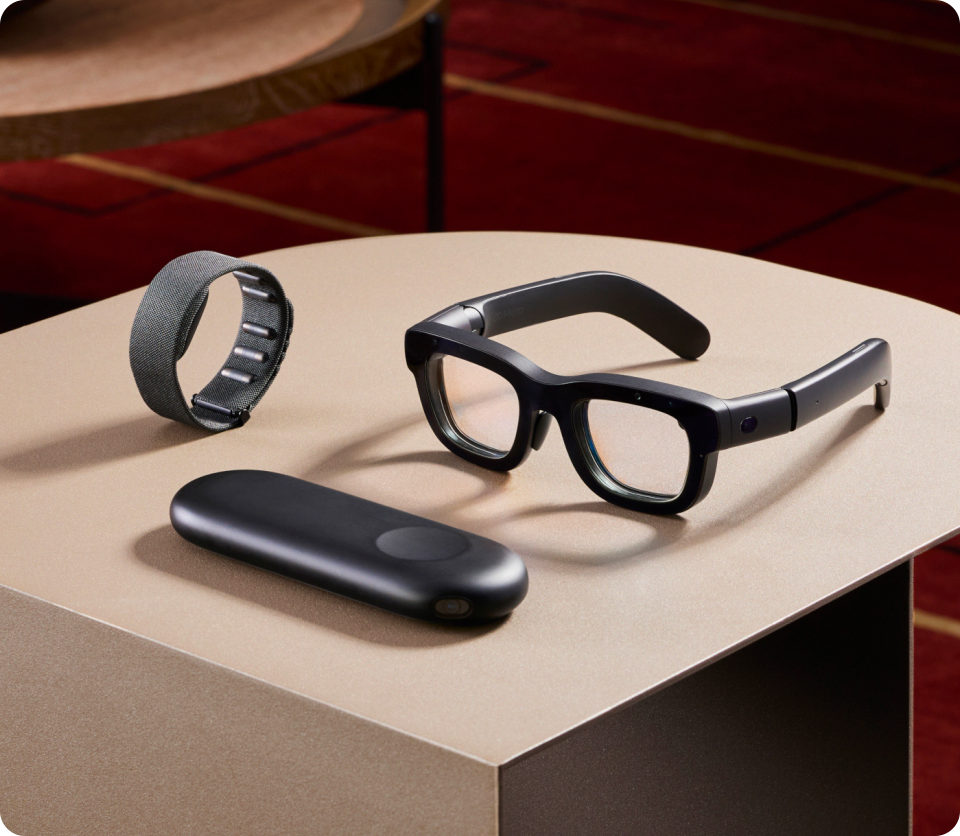
I mean, this is awesome, obviously, but the framing is odd — this is very, very far from the SOTA, no? 30° FoV and ~30% image degradation with monochromatic images seems way less capable than the Orion Glasses. But I’m sure that’s just journal editors / academia goofballs trying to make money, and the scientists themselves know what they’re contributing. Love to see it! Cannot wait for glasses to become real so I can buy them and complain about how I never use them, like my smart watch that can talk to me.
The entire point of the article was to illustrate the capabilities of a less-bulky system than Orion. That IS the state of the art for a glasses form factor, not cartoon glasses like Orion.
Interesting point, fair enough! Orion is indeed thicker than normal glasses now that I look (https://about.fb.com/wp-content/uploads/2024/09/05_whatcomes...), tho I can't access this article for a direct weight comparison (if Meta even published that for Orion). I'm a nerd that would be thrilled with either, but I can see the qualitative difference it would make to many more casual users to have normal looking glasses.